THE COVER / 10 OCTOBER 2026The stories shaping your life. The evidence behind them.
Politics / Analysis

When cheap fuel collides with foreign policy

An announced diesel arrangement with Russia offers Washington a route towards fuel relief—and exposes the difficult bargain between domestic prices, sanctions and support for Ukraine.

Policy / Feature

Your boss wants AI. Who gets the final say?

California’s newly signed workplace rules put a human between an automated recommendation and a decision to discipline or dismiss. Whether that person can genuinely challenge the machine is the harder question.

Planet & ESG / Cover story

The ocean is running a fever

Another record in sea-surface warmth is more than a climate headline. Its significance emerges in the ecosystems and coastal livelihoods exposed to heat—and in the limits of what one global number can tell us.

Planet & ESG / Explainer

“Green” is no longer enough

New EU consumer rules raise the standard for environmental marketing. For shoppers and businesses, the key question is becoming more precise: green in what sense, and supported by what evidence?

Politics / Analysis

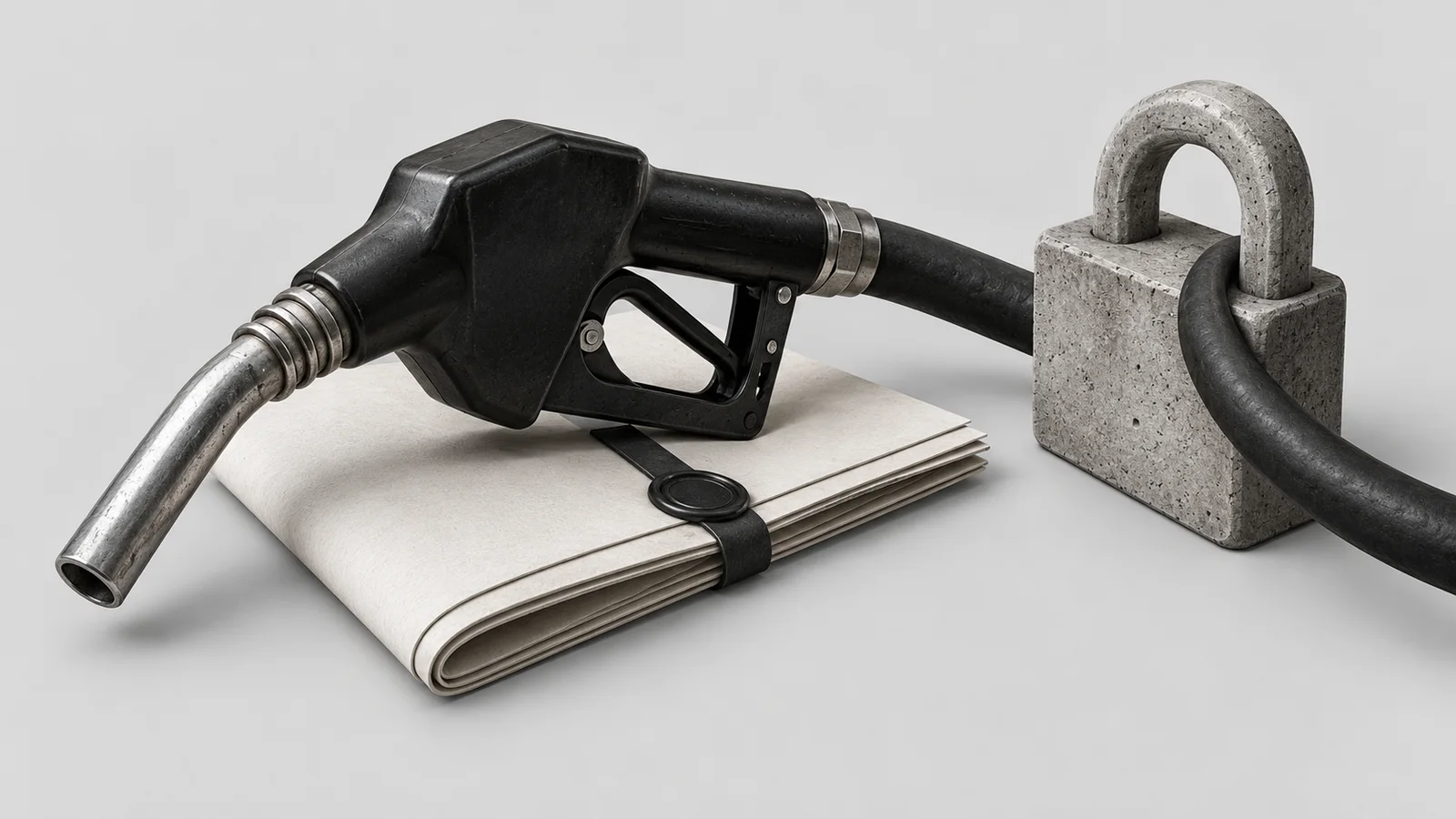
When cheap fuel collides with foreign policy

An announced diesel arrangement with Russia offers Washington a route towards fuel relief—and exposes the difficult bargain between domestic prices, sanctions and support for Ukraine.

Politics / Feature

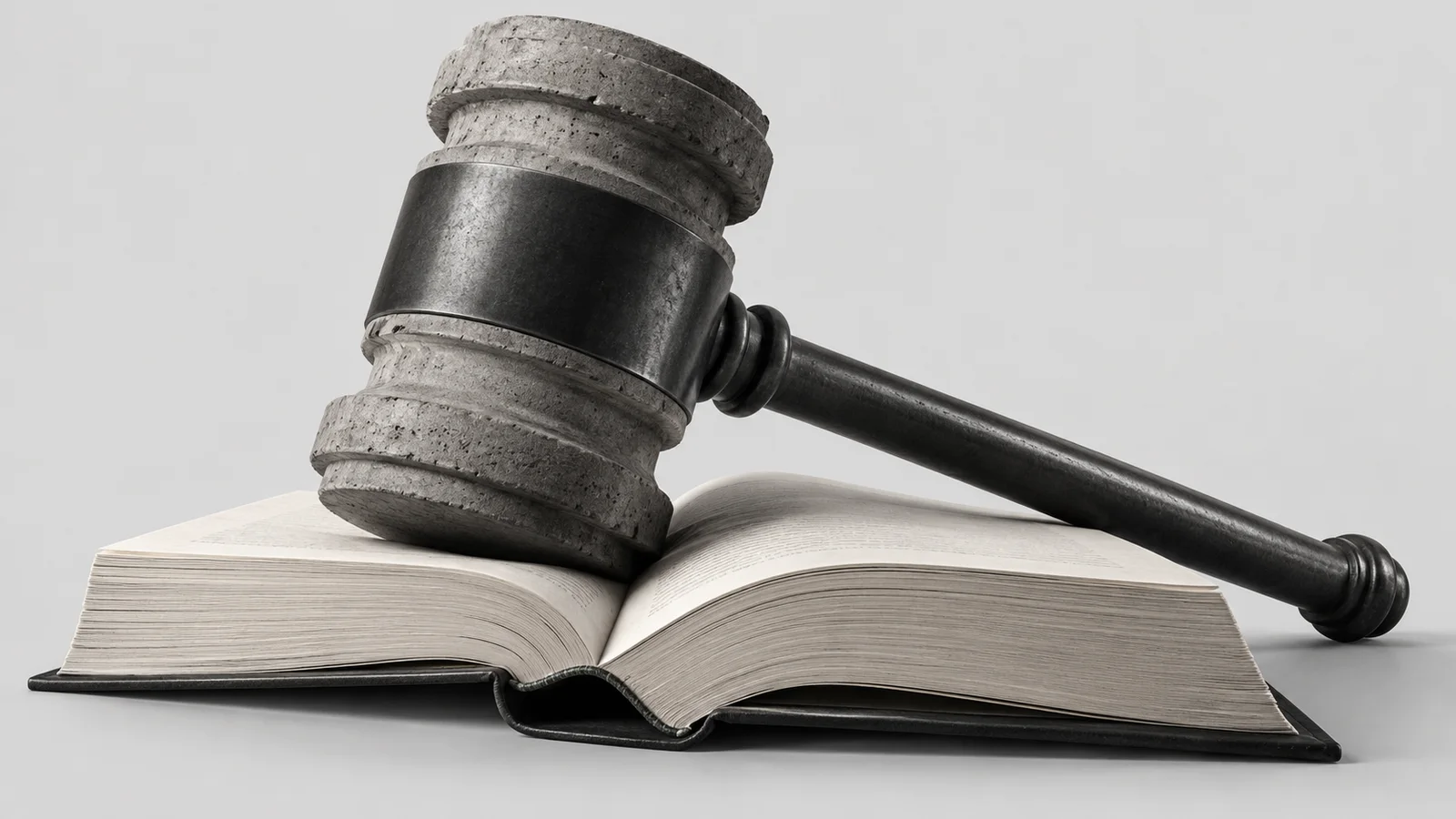
A Nobel Prize for law in an age of force

Navi Pillay’s Peace Prize places international justice in the spotlight. Its significance lies not in pretending courts can stop conflict alone, but in asking what power should still have to answer for.

Politics / Analysis

The ballot is only the beginning

Elections decide who takes office. The less visible test of a democracy is what happens to courts, scrutiny and the right to challenge power between one vote and the next.

Politics / Explainer

The conflict that stays below the headlines

Europe’s renewed hybrid-threat measures expose a difficult problem: how to respond to hostile interference when responsibility is contested—and protect legitimate dissent at the same time.

Politics / Feature

Small islands, big demands

Pacific governments are taking a specific agenda into COP31. The question is whether the visibility of climate vulnerability can become leverage over money, implementation and the terms of a deal.

Economy / Analysis

India’s growth story faces the household test

A strong national outlook deserves attention. So do the questions that a growth forecast cannot answer on its own: who is working, what they earn and how far that income goes.

Economy / Analysis

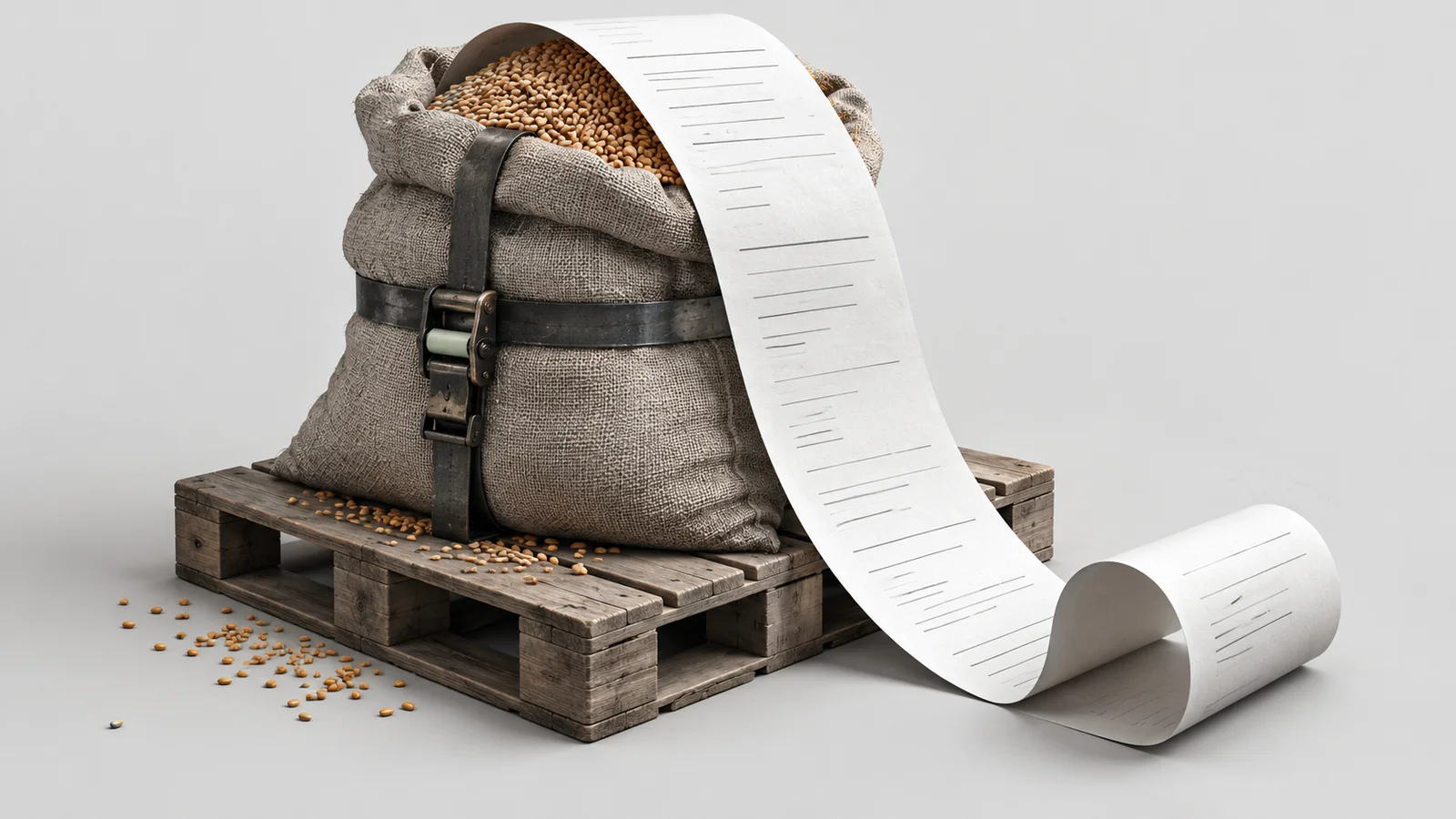
The diesel crunch reaches far beyond the pump

Emergency stocks can buy time in a fuel squeeze. They cannot remove every bottleneck between a barrel of oil, a working engine and the price of a delivered product.

Economy / Preview & analysis

Who can afford the next economic shock?

As finance ministers prepare to meet in Bangkok, the question is not only where the next disruption comes from. It is who has the room to protect people when it arrives.

Policy / Feature

Your boss wants AI. Who gets the final say?

California’s newly signed workplace rules put a human between an automated recommendation and a decision to discipline or dismiss. Whether that person can genuinely challenge the machine is the harder question.

Policy / Cover story

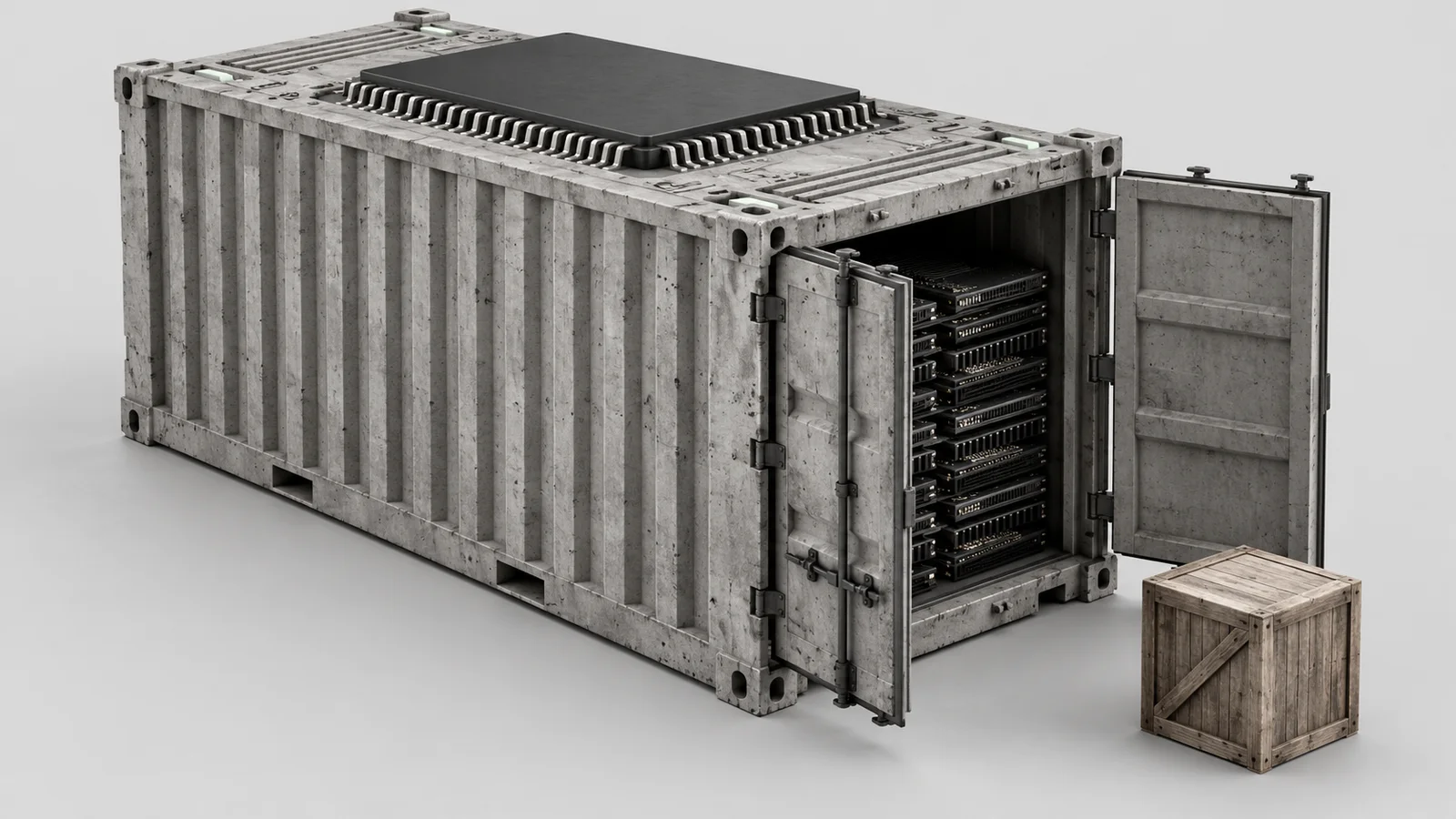
Want a data centre? Bring your own power

Australia wants new data centres to add supply, pay their grid costs and provide flexibility. Turning that promise into an enforceable bargain is more complicated than arriving with a very large plug.

Policy / Feature

A housing promise is not a front-door key

A completed building is a visible achievement. Whether it becomes an adequate home depends on less photogenic things: affordable costs, dependable services, secure tenure and a workable journey to everyday life.

Policy / Explainer

Can banning the endless scroll make children safer?

California is moving from the content children encounter to the features that keep them using a platform. The test will be whether design changes improve safety without creating a new set of problems.

Policy / Feature

Fuel relief by text message: who gets left out?

Pakistan’s digital fuel-support programme promises quick, targeted help. Its effectiveness depends on a less visible journey: from eligibility and registration to a discount that a person can actually use.

Planet & ESG / Cover story

The ocean is running a fever

Another record in sea-surface warmth is more than a climate headline. Its significance emerges in the ecosystems and coastal livelihoods exposed to heat—and in the limits of what one global number can tell us.

Planet & ESG / Feature preview

Nature’s promises are due for inspection

Biodiversity COP17 will put the world’s nature commitments under review. The useful test is not how much territory appears on a protected map, but what protection means on the ground.

Planet & ESG / Explainer

“Green” is no longer enough

New EU consumer rules raise the standard for environmental marketing. For shoppers and businesses, the key question is becoming more precise: green in what sense, and supported by what evidence?
Planet & ESG / Explainer

Beyond 1.5°C is not the same as giving up

A temperature goal is not an on-off switch for climate risk. Understanding overshoot means understanding why the size, duration and consequences of further warming still depend on decisions.

Planet & ESG / Feature

Heat is becoming a maternal-health story

A new survey of maternity professionals adds urgency to existing research on pregnancy and heat. It also raises a policy question: can health services protect people whose ability to escape exposure is unequal?

THE READING DESK

A considered read.

Explore the latest covers and explainers across our four editorial desks.

HOW WE WORK

Follow the evidence.

Clear attribution, disclosed uncertainty and a visible route to correct mistakes.

Editorial standards ↗Corrections ↗