Succession inside Asia’s great family enterprises is rarely a single moment. It is usually a long apprenticeship, conducted in public, in which the next generation is measured against a founder who built something out of nothing.
The unusual feature of her career is not the speed of the ascent. It is the length of the apprenticeship.
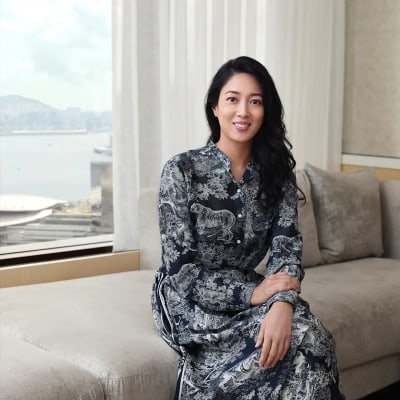
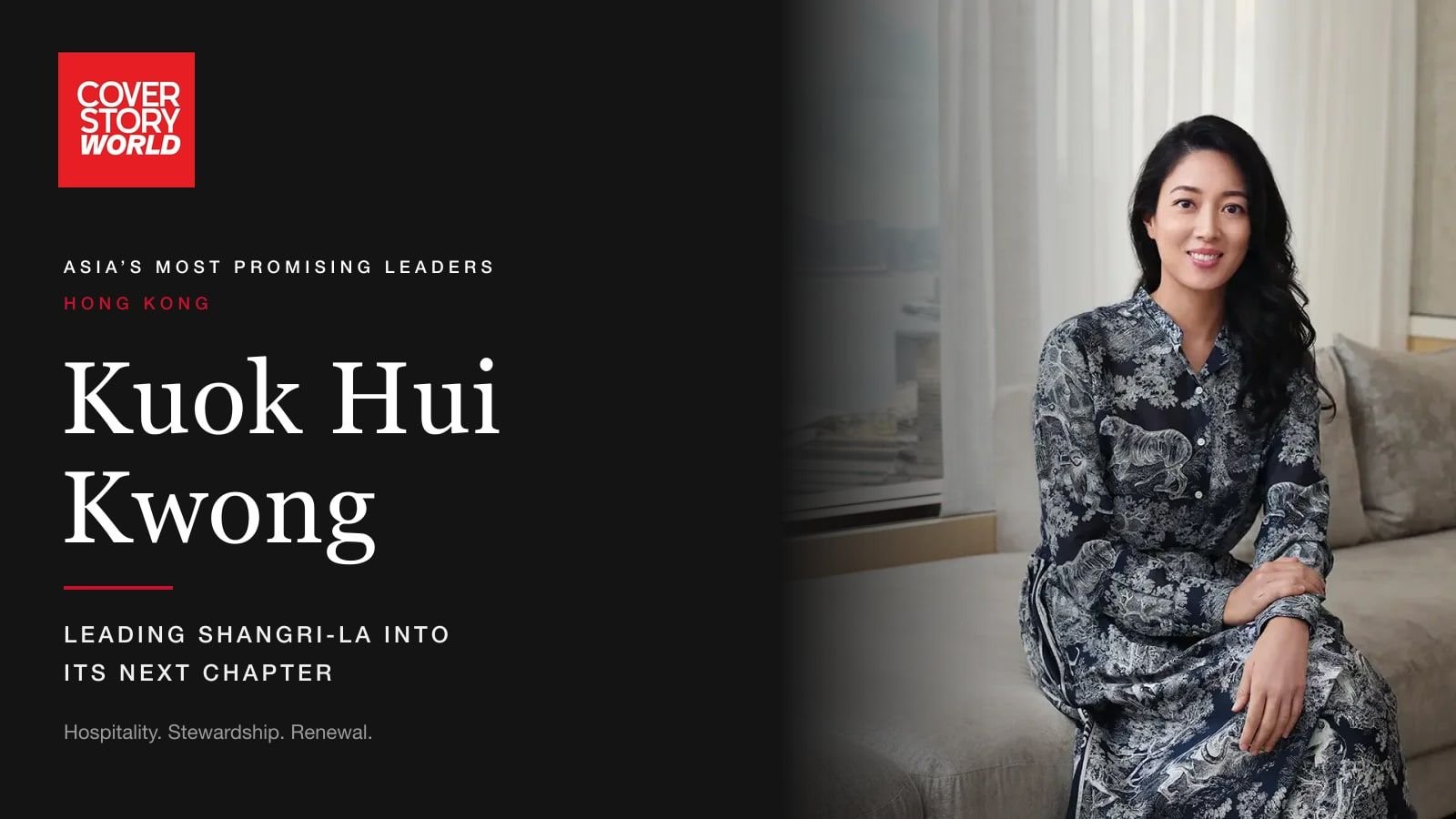
Kuok Hui Kwong has spent more than a decade inside that process.
In August 2025 she added the role of Group Chief Executive Officer of Shangri-La Asia to the chairmanship she had already held since January 2017 — becoming both the chair and the chief executive of the hospitality group her father, Robert Kuok, built into one of the most recognisable names in Asian luxury.
The unusual feature of her career is not the speed of the ascent. It is the length of the apprenticeship.
A Deliberate Progression
Kuok Hui Kwong joined the Shangri-La Asia board as a non-executive director in October 2014. She became an executive director and deputy chairman in June 2016, and executive director and chairman in January 2017.
Nine years separated her arrival on the board from her appointment as group chief executive.
That progression matters. In family enterprises, the transition from ownership to operating leadership is where most value is either preserved or lost. A board seat teaches governance. A chairmanship teaches judgement about people and capital. Running the company teaches something else again.
She had the first two for the better part of a decade before taking on the third.
The Media Years
Before hospitality, there was publishing.
She joined SCMP Group — then the owner of the South China Morning Post — in October 2003, served as an executive director from February 2004 to June 2016, and was managing director and chief executive officer from January 2009 to June 2012. She was also a director of the company that publishes the Bangkok Post from November 2012 to June 2016.
Leading a newspaper business through those particular years was an education in structural disruption. Print advertising was collapsing, digital subscription models were unproven, and every incumbent masthead in the region was confronting the same question: what part of the business is genuinely durable, and what merely feels permanent?
It is a useful apprenticeship for anyone who later inherits a portfolio of physical assets in a changing market.
Stewardship of a Founder’s Brand
Shangri-La is not an ordinary hotel company. It is a brand built on a particular idea of Asian hospitality, and that idea is the asset.
The strategic tension for any successor is obvious. Growth in hospitality increasingly favours asset-light expansion — management contracts rather than owned real estate — and digital distribution. Both are efficient. Both also risk diluting the service culture that made the brand worth expanding in the first place.
Navigating that tension is the substance of her mandate: extending the group’s reach without thinning what distinguishes it.
She holds the position alongside a governance role in the wider family enterprise, chairing the group’s executive and nomination committees and serving as a governor of the Kerry Group Kuok Foundation. She has been a director of China World Trade Center Company, the Shanghai-listed associate, since April 2015 and an executive director there since April 2018.
The Cover Story View
Kuok Hui Kwong is not an emerging leader in the conventional sense. She has been at the top of a listed company for nearly a decade.
What makes her one to watch is the particular test in front of her.
She now carries both the stewardship role and the operating role at a moment when luxury hospitality across Asia is being reshaped by changing travel patterns, new competition and the economics of asset-light growth.
Founders build brands. The generation that follows decides whether those brands remain relevant, or simply remain.
The next few years will show which kind of custodian she turns out to be.
Know a brand or leader like this? Nominate them for Asian Power Brands and Leaders 2026. Entries close 16 October 2026.
Nominate

 Alisha Moopen · Aster DM Healthcare GCC